
Products · Heavy & viscous crude
Heavy & viscous crude desalting engineering
Our engineering focus is electrostatic desalting and dehydration for heavy and viscous crude. We start with your oil properties and treatment targets, then coordinate the process, vessels, high-voltage supply and controls.
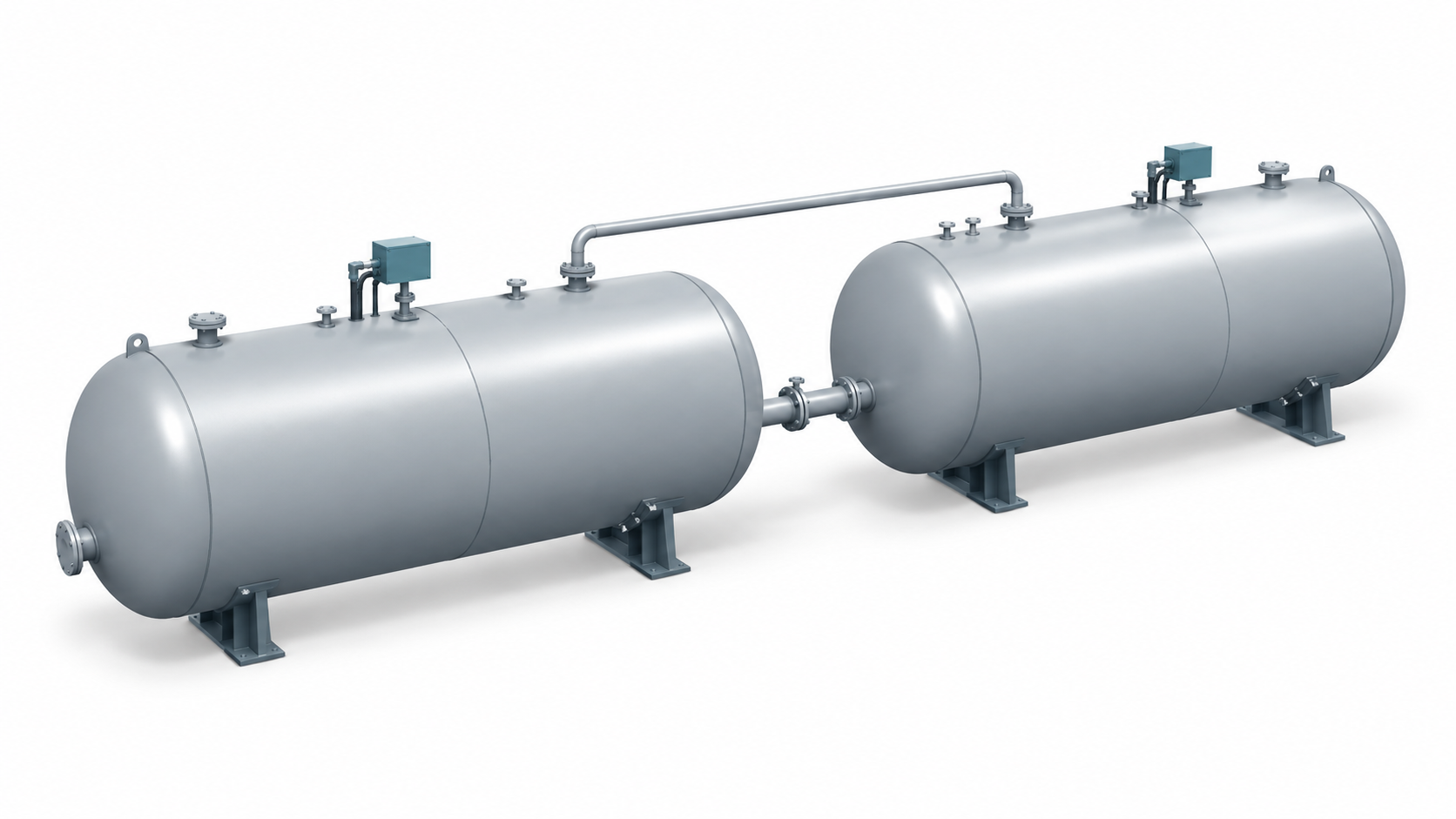 Explore the two-vessel model
Start with your operating challenges
Current fluctuations and repeated trips
Review interface levels, emulsion layers, insulation and electrode condition together with power controls and protection.
High or variable inlet water
Assess upstream water removal, staged treatment and interface control to define the feed conditions entering the electric field.
Viscous crude and stable emulsions
Evaluate available heating, demulsifier trials, mixing intensity and electric-field configuration together.
Unstable outlet salt or water
Review crude variability, operating data and sampling methods to define improvements and acceptance criteria.
Power waveform, frequency and control arrangements are evaluated against crude testing, installed equipment and project requirements.
An engineering approach built around your crude
Define the crude and operating range
Review density, viscosity at relevant temperatures, salt, water, solids, blend variability and available heating. Heavy crude and high viscosity are related design considerations, but must be characterized separately.
Assess heating, washing and emulsion behavior
Evaluate available heating, wash-water quality, mixing and demulsifier trials together. Select operating conditions from crude data and testing rather than a fixed recipe.
Coordinate the complete separation package
Review staging, vessel internals, flow distribution, electrode power, interface control and brine handling as one system. Agree the configuration against the feed range and required outlet quality.
Agree the design and acceptance basis
Define minimum, normal and maximum throughput, utility limits, supply boundaries and performance-test conditions. Project-specific targets follow technical review and the agreed feed envelope.
Start with the data you already have
Send your crude assay, viscosity-temperature data, inlet salt and water, throughput, outlet targets and available utilities. For a retrofit, include existing drawings and operating records. We can identify the remaining information needed for an engineering review.